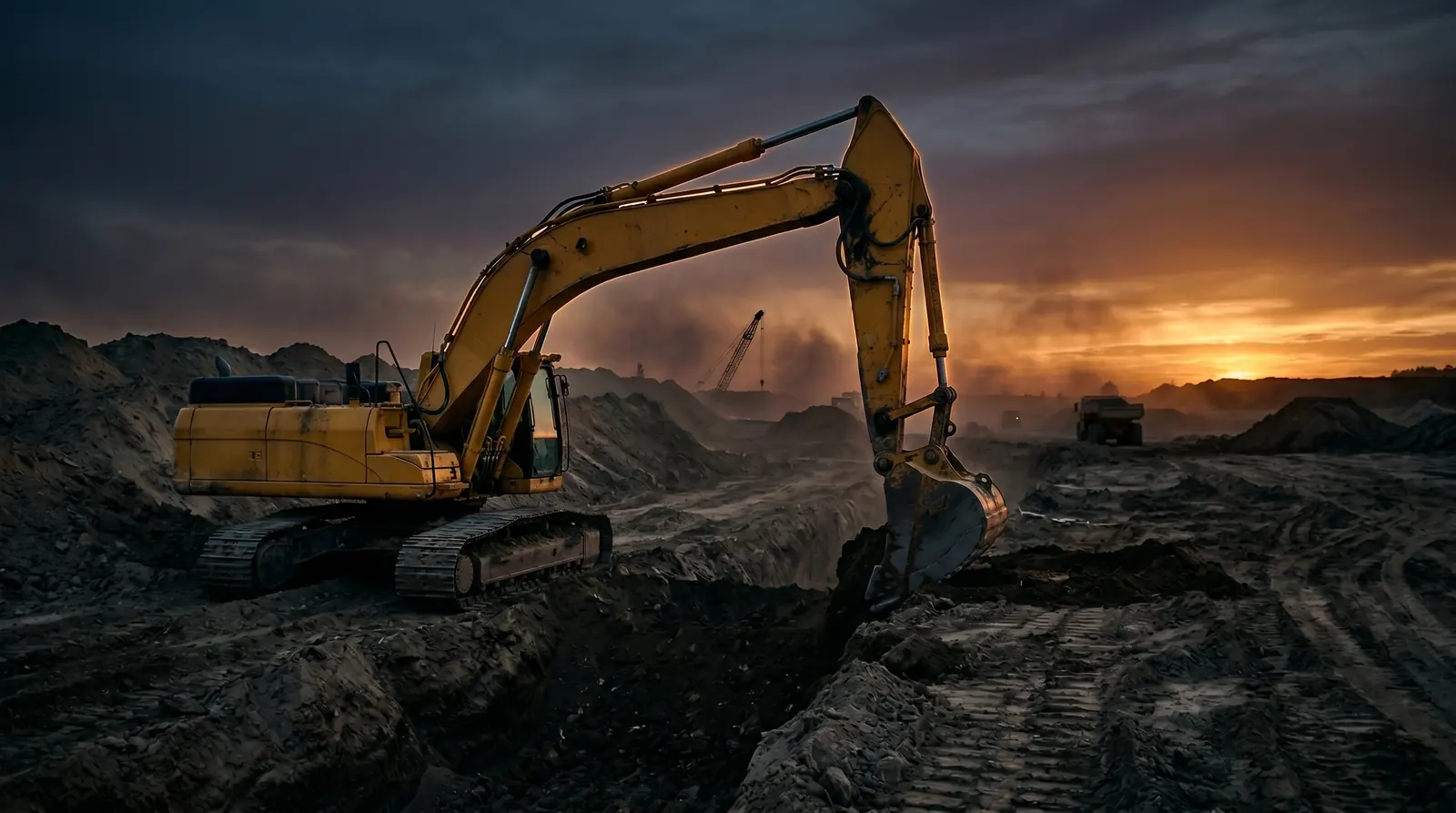
Raise capital against equipment you already own
Trucks, excavators, trailers and plant sitting on your books unencumbered are borrowing capacity. Release it without selling the machine.
If you own gear outright, that equity is doing nothing until you use it. Capital release borrows against the machine while you keep running it, so the cash goes into wages, materials or the next job and the asset never leaves your yard. It is a new facility with its own repayments, not free money, but it is usually the cheapest capital a plant-heavy business already has sitting in the shed.
Who it's for
Civil contractors, transport operators, earthmoving and plant-heavy businesses with machines owned outright.
Typically up to around 90% of current market value
The lender values the machine on make, model, age, hours and comparable sales, then lends against a portion of that figure. Around 90% of current market value is the usual ceiling on a clean, unencumbered asset. Anything already financed against the machine comes off what is available, so a fully owned unit gives the cleanest position.
Bought it with cash? Sale-and-buyback within six months
If you paid cash for a machine in the last six months, a sale-and-buyback can put that money back into the business against the same asset. It is the common fix for a business that emptied the account on a purchase and then needed the working capital back for the job that machine was bought for.
The machine stays on site and stays yours
This is not a sale-and-leaseback. You remain the registered owner and keep operating the equipment exactly as you do now. The lender records a security interest on the PPSR, the same way it would on a purchase. Nothing about the day-to-day changes.
Established ABN and property often means no financials
If your ABN has been active for 2+ years, you are GST registered and a director owns property, capital release can frequently be arranged with no tax returns, BAS or bank statements. Refinance deals against owned plant are usually low-doc for that profile. We will tell you honestly whether low-doc or a full submission gets you the better outcome.
The machine, then the repayment
Age, hours, condition and how liquid that asset class is on resale decide what the machine supports. A PPSR check confirms nothing else is registered against it. Then it is the ordinary serviceability question: can the business carry this repayment alongside what it already runs. Both have to work.
Working capital, tax bills, and the next job
The usual reasons are practical. An invoice is 60 days out and payroll is not. A contract needs mobilising before the first claim is paid. A tax bill landed in a quiet quarter. Lenders will ask what the funds are for and structure accordingly, so have a straight answer ready.
Talk to a specialist
Get the right rate and the right structure for your next asset. No pressure to proceed, no credit-file hit to ask.
- Panel of commercial lenders
- Low-doc options for established ABNs
- Pre-approval before you buy
Work it out backwards.
Start with a repayment that keeps cash in your business and see what it finances — then we’ll line up the right rate to match.
A balloon lowers your monthly repayment and keeps cash in the business. ~30% is common; new vehicles can go to 40%.
Your rate depends on the asset, its age, your ABN and security. A guide, not a quote.
Estimate only, excluding fees and charges. Not a quote, offer, or credit assistance. Actual repayments depend on the lender’s assessment.
Common questions
Typically up to around 90% of the machine's current market value, less anything already owing against it. The exact figure depends on the asset's age, hours and how readily that type of gear resells. We can give you an indicative number from the make, model and hours.
Explore more finance
Ready to move on your next asset?
Get pre-approved and negotiate as a cash-equivalent buyer — we'll handle the rate, the structure and the paperwork.